Urgent garden clearance same day gardeners Tufnell Park
Posted on 11/11/2026
If your garden has tipped from "a bit untidy" into "I need this sorted today," you are not alone. Storm debris, a sudden tenant turnover, a last-minute house viewing, brambles swallowing the path, or simply months of growth catching up with you can all create the same headache. Urgent garden clearance same day gardeners Tufnell Park is the kind of service people look for when speed, safety, and a decent-looking result all matter at once. In practice, it means getting a local team in quickly to clear waste, cut back overgrowth, remove clutter, and leave the space usable again without making a drama of it.
Below, you will find a practical guide to how same-day garden clearance works, what to expect, when it makes sense, and how to get the best result in Tufnell Park. I'll also cover the details people often miss: access, waste handling, safety, and how to avoid paying for avoidable rework. Truth be told, that last bit saves a lot of hassle.
Why Urgent garden clearance same day gardeners Tufnell Park Matters
Garden clearance sounds straightforward until you are standing in front of a blocked gate, a pile of wet cuttings, and a pathway you can barely see. In that moment, the job is not about aesthetics alone. It is about access, safety, timing, and getting the garden back under control before the mess causes more problems.
In a busy London area like Tufnell Park, gardens are often compact, shared with neighbouring boundaries, or used for more than one purpose. A space can quickly become difficult to manage if ivy spreads, hedges overrun the fence line, or branches drop after bad weather. If you are dealing with a property sale, a tenant handover, a family event, or simply want the garden usable again, speed suddenly matters a great deal.
There is also the practical side. Overgrown vegetation can hide slippery surfaces, broken paving, trip hazards, rubbish, or pests. In our experience, people often wait too long because the garden "doesn't look that bad from the kitchen window." Then you step outside and, well, it has its own ecosystem going on.
For readers who are also thinking ahead to what comes after the clearance, it can help to look at related maintenance plans such as regular garden maintenance in Tufnell Park or lawn care in Tufnell Park. Clear the mess first, then keep it from coming back quite so fast.
How Urgent garden clearance same day gardeners Tufnell Park Works
Same-day garden clearance is usually a rapid response service rather than a fixed, one-size-fits-all package. The process is designed to be efficient: assess the job quickly, bring the right people and tools, clear the site, and remove the waste responsibly. The real difference is that the team is prioritising speed without losing control of the basics.
A typical same-day visit often starts with a short phone conversation or message where you describe the condition of the garden. A good team will want to know what needs clearing, whether there is access through the house or side gate, whether there are large items such as branches or broken fencing, and whether anything needs to be left in place. If there are hazards, say so early. It saves time and reduces risk.
From there, the team usually arrives with tools suited to the work. That may mean cutting tools, rakes, sacks, wheelbarrows, and equipment for lifting or moving waste. If the clearance includes dense growth, ivy, or woody material, they may also bring heavier gear. For a broader refresh, some customers choose to combine clearance with hedge trimming in Tufnell Park so the boundaries are dealt with in one visit.
Most same-day jobs follow a simple pattern:
- Identify the urgent area and the main hazards.
- Clear the worst obstructions first so access improves quickly.
- Work through waste in sections rather than creating a bigger pile.
- Load and remove debris once the space is safer and tidier.
- Do a final walk-through to check paths, borders, and boundary lines.
That final walk-through is more important than people think. A garden can look "done" but still have hidden cuttings, loose debris, or a patch of wet moss on a step. Not glamorous, but that is the stuff that causes complaints later.
Key Benefits and Practical Advantages
The main reason people search for urgent clearance is obvious: they need it done quickly. But the real benefits go a bit further than speed alone.
- Immediate safety improvement: Removing loose branches, overgrowth, and clutter reduces trip hazards and makes paths easier to use.
- Better access to the whole garden: Once vegetation is cut back, it becomes much easier to inspect fences, walls, paving, and planting beds.
- Less stress before a deadline: A same-day team can help when a move-out, viewing, delivery, party, or inspection is looming.
- Cleaner handover for tenants or landlords: A stripped-back, tidy garden is far easier to present well.
- Reduced risk of damage: Clearing before you start other work helps protect lawns, beds, decking, and boundaries from accidental harm.
There is also a subtle benefit that people sometimes underestimate: momentum. Once a garden is cleared, it becomes much easier to picture what it could be next. A space that felt overwhelming suddenly feels manageable again. That matters. If you want to reshape the area afterwards, a clearance can be the first proper step toward a better layout, seating area, or planting plan. You might even find ideas in first steps for a garden makeover or, for smaller spaces, innovative vertical gardening for limited spaces.
Who This Is For and When It Makes Sense
Urgent clearance is not only for obviously neglected gardens. It is also for people with a clear deadline and a practical problem. That includes homeowners, landlords, letting agents, tenants at the end of a tenancy, older residents who need help with heavy work, and busy households that simply cannot get to it themselves.
It makes sense when:
- the garden has become unsafe or hard to access;
- storm debris has landed everywhere after a windy night;
- you need the space presentable for photography, viewing, or guests;
- brambles, ivy, or weeds are taking over hard-to-reach corners;
- you need waste removed quickly and cannot store it on site;
- the garden is affecting neighbouring boundaries or shared access.
It may also suit dog owners and families when the outside space has become awkward to use. For example, a patch of broken branches and sharp offcuts is not ideal if children are playing nearby or if a dog runs out the back door before breakfast. If that sounds familiar, dog-friendly gardening and creating a child-friendly garden are worth thinking about once the urgent mess is gone.
Step-by-Step Guidance
If you are arranging a same-day clearance, a calm, practical approach will usually get the best result. Here is the process I would suggest.
- Walk the garden first. Note what must be removed, what should stay, and any obvious hazards. Take a few quick photos if you can.
- Separate urgent from non-urgent work. A dead hedge panel, blocked path, or storm-fallen branch may take priority over routine weeding.
- Check access points. Side entrances, rear gates, shared hallways, and narrow passages matter. This is where jobs get delayed.
- Tell the team about fragile items. Pots, lanterns, furniture, bird feeders, irrigation lines, and ornaments can be moved or protected.
- Ask how waste will be handled. You want clarity on loading, disposal, and what will happen to mixed green waste versus bulky rubbish.
- Approve the priorities on arrival. In fast jobs, good communication beats long explanations. Point out the critical areas and let the team get on with it.
- Review the finished space. Check for missed corners, hidden cuttings, and any damage caused while moving through the garden.
That last step sounds obvious, but it is easy to skip when you are relieved the work is done. Don't. A quick 5-minute inspection can prevent a nuisance later.
If the clearance is the first stage of a wider tidy-up, some people also combine it with patio cleaning in Tufnell Park or decking services in Tufnell Park to bring the whole space back into shape in one go.
Expert Tips for Better Results
When time is tight, the best results often come from a little planning, not from pushing harder. A few practical habits make a big difference.
- Clear access before the team arrives. Move bins, bikes, loose plant pots, and anything blocking gate openings.
- Be realistic about same-day scope. A full jungle clearance and a detailed redesign are different jobs.
- Prioritise the visible and the risky. Paths, entrances, steps, and borders usually matter more than the back corner nobody sees.
- Keep fragile plants marked. If you want something protected, say so clearly and ideally point it out in person.
- Ask for cut-back rather than removal when needed. Sometimes you want regrowth controlled, not wiped out completely.
One small but useful tip: if you know brambles, ivy, or self-seeded growth is a recurring problem, it is worth discussing the root cause rather than only the visible mess. A quick clearance can solve today's problem, but if the same patch keeps exploding every six weeks, you may need a slightly firmer strategy. The article on successful ivy removal is useful for understanding why some growth needs more than a casual cut-back.
And yes, there will always be one sticky patch you thought was a one-minute job. Nature loves a little surprise. Rude, but true.
Common Mistakes to Avoid
Urgent jobs can go wrong in predictable ways. The good news? Most of them are avoidable.
- Waiting until the garden is completely unusable: A job that could have been routine becomes heavier, slower, and often more expensive in effort.
- Not sharing access issues upfront: Narrow side passages, locked gates, or awkward steps can completely change the approach.
- Assuming all waste is the same: Green waste, wood, soil, broken fixtures, and general rubbish may need different handling.
- Forgetting boundary considerations: Overhanging hedges or branches may affect neighbours, so it is best to be mindful.
- Expecting clearance to fix structural issues: If a fence is leaning or a tree looks unsafe, that is a separate discussion.
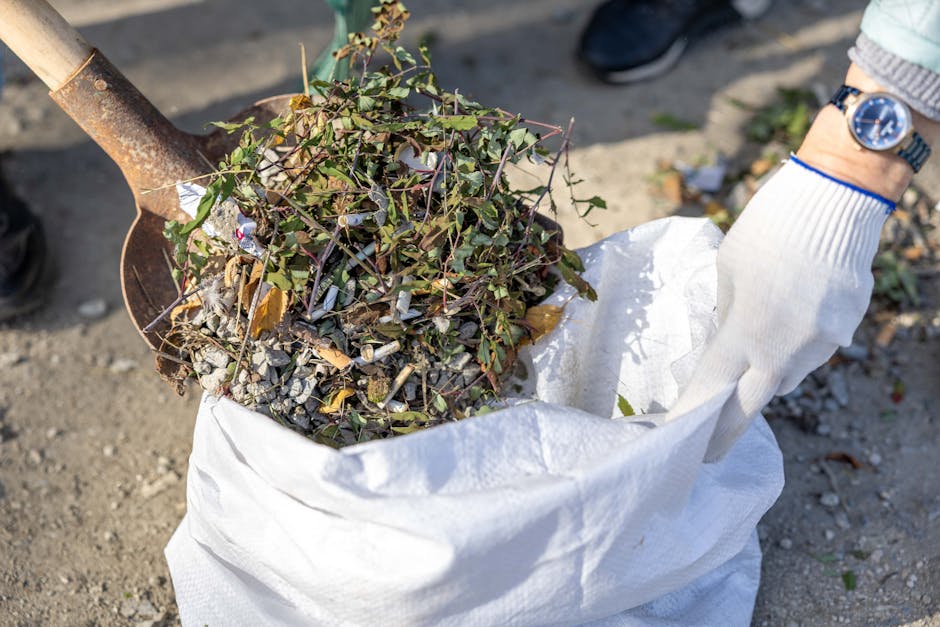
A common one in London gardens is underestimating how much material comes out of a small space. A half-hour cut-back can create a very large pile once it is bagged and gathered. The scale changes fast. That is why teams often bring more bags or collection capacity than you would first expect.
Tools, Resources and Recommendations
A professional same-day clearance team will usually arrive with the right kit for speed and control. While the exact setup varies, the work often relies on a sensible mix of cutting, lifting, collecting, and sweeping tools.
| Task | Typical tools used | Why it matters |
|---|---|---|
| Cutting back overgrowth | Secateurs, loppers, hedge tools | Helps reduce dense growth safely and quickly |
| Clearing waste | Rubble sacks, bins, wheelbarrows | Speeds up loading and keeps the site tidy |
| Path and border tidy-up | Rakes, brooms, hand tools | Finishes the job properly and improves access |
| Heavy or awkward material | Tarpaulins, lifting aids, saws where appropriate | Makes bulky material easier to move without damage |
For homeowners who like to understand the practical side before booking, a useful companion read is key tools for every outdoor gardening enthusiast. It gives you a sense of what good equipment actually does on the ground. You may also find proven methods to tackle unwanted weeds helpful if the clearance is mainly about reclaiming borders and paths.
For ongoing improvement after the urgent work is finished, consider practical follow-up ideas such as budget-conscious garden design or garden seating ideas. A cleared garden is far easier to shape sensibly. That is the real opportunity.
Law, Compliance, Standards, or Best Practice
With garden clearance, most of the important compliance issues are practical rather than dramatic. You want the work done safely, the waste handled properly, and the property left without avoidable problems. In the UK, good practice typically means clear communication, safe use of tools, responsible waste handling, and care around neighbour boundaries and shared access routes.
For domestic clearances, it is sensible to expect:
- proper care with tools, blades, and lifting tasks;
- attention to trip hazards, sharp debris, and slippery surfaces;
- appropriate handling of green waste and mixed waste;
- respect for nearby properties and access points;
- clear pricing or at least a sensible explanation of the work scope.
If a job involves larger trees, unstable branches, significant boundary work, or anything that looks unsafe, it is wise to slow down and assess the situation carefully rather than trying to force a same-day solution. If a wider site issue exists, related support such as tree surgery in Tufnell Park or fencing in Tufnell Park may be more appropriate than a simple clearance.
Best practice also includes keeping customers informed about what has been removed, what has been left, and whether further work is advisable. That transparency builds trust, and it avoids the awkward "I thought that was included" conversation. Nobody enjoys that one.
Options, Methods, or Comparison Table
Not every urgent garden job needs the same approach. Sometimes you just need a fast tidy-up. Other times the garden needs a heavier reset. Here is a simple comparison to help you judge which route fits your situation.
| Approach | Best for | Pros | Limits |
|---|---|---|---|
| Quick same-day tidy | Paths, visible clutter, light overgrowth | Fast, neat, low disruption | May not solve deeper overgrowth problems |
| Full garden clearance | Heavy weeds, brambles, storm debris, neglected spaces | Creates a proper blank canvas | Requires more time and waste handling |
| Clearance plus trimming | Overgrown hedges, borders, and access routes | More complete reset in one visit | Needs more planning and equipment |
| Clearance plus follow-up maintenance | Recurring growth or rental properties | Keeps the garden under control longer | Ongoing commitment needed |
If your garden has a lot of vertical growth, you may also want to think beyond removal and into how the space can be used better afterwards. Shade-loving evergreen climbers and fast-growing hedges for privacy can become part of the rebuild once the urgent mess is out of the way.
Case Study or Real-World Example
Here is a realistic example from the sort of job that comes up all the time in inner north London. A homeowner in Tufnell Park had a small rear garden that had been left untouched for months after a period of travel and bad weather. The main issue was not a huge lawn, but a mix of overgrown edges, fallen branches, weeds pushing through paving, and a gate that barely opened because of loose debris.
The priority was simple: make the space safe and usable before a family gathering that evening. The work began with a quick check of access and hazards. Branches were moved first, then the path was cleared so the gate could open fully. The team then cut back the worst growth, gathered the green waste in stages, and tidied the border edges so the garden looked orderly rather than just stripped bare.
The result was not a "finished landscape" and it was never meant to be. But it became a clean, safe, presentable garden again. The owner could walk through it without dodging obstructions, and the whole place felt calmer. That is often the win with urgent clearance. Not perfection. Just relief, and a much better starting point.
For households that want to improve the feel of the garden after that first rescue job, a softer approach like ground cover planting or vertical gardening ideas can bring life back without demanding constant heavy upkeep.
Practical Checklist
Use this simple checklist before the gardeners arrive. It keeps the day smoother than it would otherwise be.
- Identify the most urgent areas in the garden.
- Photograph the problem spots if you want a record.
- Clear access through gates, side passages, and doors.
- Move fragile items, ornaments, and small furniture.
- Flag any hidden hazards, sharp debris, or slippery surfaces.
- Point out anything that must not be removed.
- Confirm whether waste will be collected and taken away.
- Ask for a quick final check once the clearance is complete.
- Decide what follow-up work, if any, should happen next.
Expert summary: the best same-day garden clearance is the one that restores access first, tidies the space second, and leaves you with a clear next step. Fast is good. Controlled is better.
Get a free quote today and see how much you can save.
Conclusion
When a garden has become too overgrown, too cluttered, or simply too urgent to ignore, same-day clearance is often the most practical way to get back on top of things. In Tufnell Park, where gardens can be compact, awkwardly accessed, or tied to a tight schedule, the value of a quick and tidy response is hard to overstate.
The best results come from clear priorities, honest communication, and a team that knows how to work quickly without turning the garden into a second problem. Clear what is in the way, make the space safe, remove the waste properly, and leave yourself a better starting point for whatever comes next. That is the real job, and it can feel like a proper reset.
And sometimes, after the last bag is loaded and the path is finally visible again, that little patch of open ground feels like a breath of fresh air. Quiet. Simple. Better.

Kristine, a skilled gardener, boasts extensive experience offering diverse landscaping and gardening services over many years. Additionally, she is a proficient writer focusing on Eco-friendly gardening.