Tufnell Park tube area gardeners for small back gardens
Posted on 18/10/2026
Tufnell Park Tube Area Gardeners for Small Back Gardens: Practical Design, Planting, and Maintenance
If you live near Tufnell Park station and your garden is more "compact outdoor room" than rolling lawn, you're in good company. Small back gardens can be brilliant, but they need a slightly different approach: less clutter, smarter planting, better access, and a clear plan from the start. That is exactly where Tufnell Park tube area gardeners for small back gardens earn their keep. They know how to make a tight plot feel bigger, calmer, and easier to look after without overcomplicating things.
This guide walks through what that work looks like in practice, how to choose the right options for a small London garden, and how to avoid the common mistakes that waste space, money, and energy. You'll also find a simple checklist, a comparison table, and a realistic example so you can picture the result before you start digging.

Contents
- Why Tufnell Park tube area gardeners for small back gardens Matters
- How Tufnell Park tube area gardeners for small back gardens Works
- Key Benefits and Practical Advantages
- Who This Is For and When It Makes Sense
- Step-by-Step Guidance
- Expert Tips for Better Results
- Common Mistakes to Avoid
- Tools, Resources and Recommendations
- Law, Compliance, Standards, or Best Practice
- Options, Methods, or Comparison Table
- Case Study or Real-World Example
- Practical Checklist
- Conclusion
- Frequently Asked Questions
Why Tufnell Park tube area gardeners for small back gardens Matters
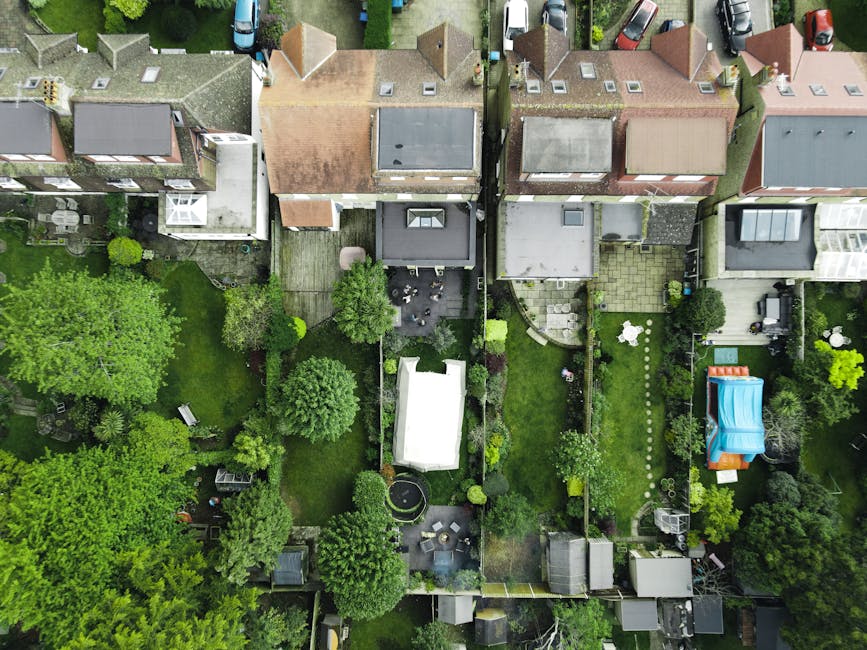
Small back gardens in North London tend to face the same handful of pressures: limited width, overlooked boundaries, shade from neighbouring buildings, awkward access, patchy soil, and a strong temptation to cram in too much. A good gardener does not just "tidy it up". They shape the space so it works as a usable outdoor area.
That matters because a small garden has very little room for mistakes. Put the wrong shrub in the wrong corner and suddenly the whole place feels boxed in. Lay out the seating badly and you lose the one patch of sun. Leave the lawn thirsty, compacted, or too large for the space and it becomes a chore rather than a feature. To be fair, many tiny gardens do not need more planting; they need better structure.
Tufnell Park tube area gardeners for small back gardens understand the local rhythm of the area too. You get the mix of Victorian terraces, narrow rear plots, shaded spots, and gardens that need to feel private without turning into a jungle. The best designs respect that. They make use of vertical lines, layered planting, compact materials, and low-fuss maintenance plans so the garden still feels good in three months, not just on day one.
If you want a deeper look at low-space thinking, the ideas in innovative vertical gardening for limited spaces are especially useful for small back gardens that need height without bulk.
How Tufnell Park tube area gardeners for small back gardens Works
The process is usually simpler than people expect. It starts with understanding the site, not with picking plants. A seasoned gardener will look at sunlight, shade, drainage, access, existing hard surfaces, and how the space is actually used day to day. Is it for morning coffee? Children? A dog? Quiet reading? Herbs near the kitchen? These details shape everything else.
From there, the garden is broken into zones. That can sound grand, but it's often just sensible planning: a seating area, a planting strip, a narrow path, a screen for privacy, and a space that is intentionally left open. In small gardens, every metre has to earn its place.
Then comes the practical part. Turf may be improved or reduced, boundaries might be softened with climbers or hedges, and the planting palette is often chosen for year-round structure rather than seasonal drama alone. A small garden needs plants that keep their shape, hold their colour, and do not bully everything else.
Where maintenance is part of the brief, gardeners often build the design around easy care. That might mean using containers, drought-tolerant planting, weed-suppressing ground cover, or materials that are simple to clean and keep neat. If you've ever looked at a tiny patio and thought "this could be lovely, if only it didn't feel so busy", that is the exact problem this kind of work solves.
For many homes, it also helps to think about the wider maintenance picture. A practical approach often pairs nicely with garden maintenance in Tufnell Park and, where needed, targeted support such as lawn care in Tufnell Park.
Key Benefits and Practical Advantages
A well-planned small back garden can feel surprisingly generous. That is not magic; it is design discipline. The benefits are both visual and practical, and they tend to show up quickly.
- More usable space: Clear layouts make the garden easier to walk through, sit in, and enjoy.
- Better privacy: Smart boundary planting and screening reduce the feeling of being exposed.
- Less maintenance stress: Simple planting and tidy surfaces are far easier to manage week to week.
- Stronger visual flow: Repetition, height, and clean lines make the garden appear larger.
- Seasonal interest: The right mix of evergreen structure, flowers, and texture keeps the garden alive through the year.
- Better value from every corner: In a small space, even a narrow strip can become a feature rather than dead ground.
There's also a quieter benefit that people do not always mention: a small garden done well tends to feel calming. You open the back door, and instead of seeing a messy list of jobs, you see a place that makes sense. That does something to the mood. It really does.
Some homeowners want that calm to be almost minimalist. Others want a fuller, softer look with planting that spills over edges a little. Both can work. The key is not size; it's balance. If you're drawn to a restful feel, you might also like the thinking behind zen garden ideas outdoors.
Who This Is For and When It Makes Sense
This kind of gardening help is a strong fit if your back garden is small, overlooked, shaded, awkwardly shaped, or simply underused. It also makes sense if you have started a few projects yourself and realised the space still feels unfinished. Happens all the time.
It is especially helpful for:
- Terraced homes with narrow rear gardens
- Small family gardens that need to be safe and practical
- Courtyard-style spaces that need more softness
- Gardens with poor soil or patchy lawn areas
- Homeowners who want privacy without a heavy fence-and-concrete look
- Busy people who want an attractive garden but do not want constant upkeep
Sometimes the trigger is a single problem: ivy taking over, weeds creeping through paving, a tired lawn, or a boundary that feels too exposed. In those moments, the right intervention can feel very obvious. If ivy is part of the issue, it is worth understanding the implications first and checking a practical guide such as a comprehensive guide to ivy removal success.
And if your garden is a bit breeze-prone, especially in spring and autumn, some of the ideas in innovative methods to curb gusts in your garden space can help you think about shelter before you invest in planting.
Step-by-Step Guidance
If you're planning a small-garden project, the cleanest way to move forward is to treat it like a sequence rather than a single big leap. Small spaces reward order. They just do.
- Start with a site review. Note sun, shade, damp patches, access routes, and the view from the house. Do this on a dry day and, if possible, again after rain. Small details matter.
- Define the main purpose. Is the garden for relaxing, entertaining, growing food, child play, pet use, or a bit of everything? Try not to ask too much of one tiny patch.
- Measure and map the usable space. Work out where you can place seating, paths, screens, or planting beds without making the garden feel cramped.
- Decide what should stay and what should go. Sometimes a tired lawn or bulky shrub is the real reason the garden feels small. Remove the thing stealing the light or the space.
- Choose a strong structure. This may be paving, decking, raised planters, trellis, or a slim lawn section. Structure comes first; planting follows.
- Select compact planting. Go for plants that suit the available light and do not outgrow the garden too quickly. Think layers, not mass.
- Add finishing details. Lighting, container groupings, a bench, or a small water feature can transform the feel without taking much room.
- Plan the maintenance rhythm. Decide what needs weekly care and what can be left mostly alone. A good garden is one you can realistically keep tidy.
If you want to see what that planning mindset looks like in practice, first steps for a garden makeover is a useful companion read. It keeps the focus on sensible sequencing rather than chasing trends.
Expert Tips for Better Results
The best small gardens usually share the same hidden strengths: restraint, repetition, and a few well-chosen focal points. Nothing too busy. No clutter for the sake of it.
Use height without blocking light
Vertical planting is one of the cleanest wins in a small back garden. Trellis, climbers, and wall-mounted planting can create privacy and texture without eating floor space. The trick is to keep the base area calm. Let the vertical elements do the work.
Choose evergreen backbone plants
In a small garden, seasonal flowers are lovely, but they should not be the whole story. Evergreen structure gives you shape in winter, prevents the space looking empty, and supports the garden visually all year. The article on shade-loving evergreen climbers is especially handy if your back garden gets limited sun.
Repeat materials and colours
Using too many paving types, planter finishes, or plant colours can make a small garden feel fragmented. Repetition helps the eye relax. One or two tones, not seven. Your future self will thank you.
Keep the edges soft
Sharp borders can be neat, but a small garden often benefits from softened edges. Ground cover, low planting, and carefully placed containers help the garden feel more settled. A little softness goes a long way.
Don't over-lawn the plot
A lawn can be useful, but in many compact gardens it takes more than it gives. A small strip may be enough, or the lawn may be better replaced with mixed planting, a patio, or a lounging area. If lawn is staying, keep it manageable and avoid making the rest of the garden orbit around it.
For more on keeping grass healthy without accidental damage, have a look at tips to avoid damage during lawn maintenance. Tiny lawns can get worn out quickly if they are cut too short or walked on when wet.
Common Mistakes to Avoid
Small gardens fail for surprisingly ordinary reasons. Usually it is not the budget. It is the choices.
- Choosing plants that are too large: A shrub that suits a medium garden can overwhelm a compact one within a season or two.
- Ignoring shade: Planting sun-lovers in a north-facing or heavily enclosed space is a recipe for disappointment.
- Making every feature decorative: If everything is a feature, nothing is. The garden needs breathing room.
- Overcomplicating maintenance: A tiny plot with too many pots, borders, and trimming jobs becomes exhausting.
- Blocking the view from inside: If the sightline from the kitchen or back room is cluttered, the whole house feels less spacious.
- Forgetting access for upkeep: You still need to get to the back corner, the bins, or the shed door, ideally without doing a strange sideways shuffle.
A classic mistake is chasing instant fullness with the wrong hedge or climber. That can work, but only if the species and spacing are right. If privacy is the main driver, it helps to read something like achieve privacy quickly with these fast-growing hedges before planting anything ambitious.
Another easy slip is neglecting the soil. Small gardens often have compacted, tired, or builder-disturbed ground. Feed the soil first and the rest gets easier. If you like a practical, low-waste approach, turning everyday waste into nutrient-packed soil is a useful mindset to borrow.
Tools, Resources and Recommendations
You do not need a shed full of specialist kit to manage a small garden well, but a few reliable tools make life much easier. A tidy toolset also stops the work feeling like a battle. Gardening should be satisfying, not a trip hazard.
Useful basics include:
- Bypass secateurs for clean pruning cuts
- A narrow spade or trowel for beds and containers
- Long-handled shears for edging and light shaping
- A stiff broom for patios and paved corners
- Quality gloves that actually fit properly
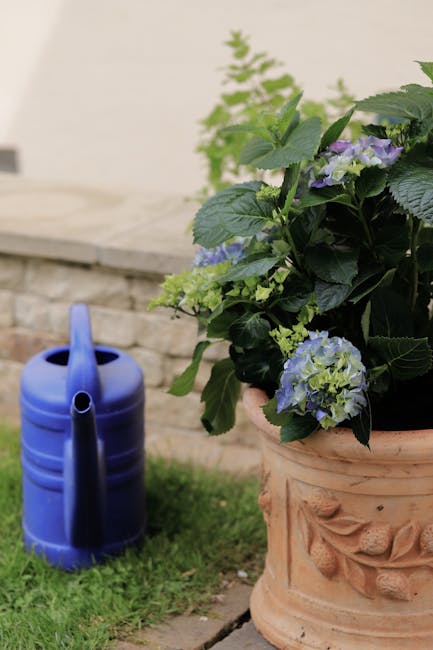
- A watering can or hose setup suited to the space
- Weed control tools for joints, edges, and borders
For a broader overview, key tools for every outdoor gardening enthusiast is a sensible place to start. It helps you avoid buying random kit that ends up gathering dust after one hopeful weekend.
When you are making the garden easier to live with, these topics are also worth exploring in the same wider plan:
- proven methods to tackle unwanted weeds for edges, paving and borders
- container gardening ideas for flexible planting
- ground cover beauties for soft, low-level planting
- garden seating ideas for making a tiny space feel inviting
Law, Compliance, Standards, or Best Practice
For most small back garden projects, the main compliance issues are practical rather than dramatic. You are usually thinking about safe work practices, neighbour awareness, and making sure hard landscaping or tree work is handled responsibly. If a project affects boundaries, drainage, shared access, or mature trees, it is worth slowing down and checking the facts before work starts.
Best practice in a small urban garden usually includes:
- Safe handling of tools and materials: Especially where pruning, lifting, or cutting is involved.
- Care around walls and structures: Older gardens often hide brittle brickwork, shallow foundations, or awkward services.
- Respect for neighbouring boundaries: Trimming, screens, and tree work can affect nearby properties if done carelessly.
- Thoughtful water management: Hard surfaces should not create obvious drainage problems.
- Clear communication on scope: Everyone should know what is being changed, what is staying, and what the finished garden should do.
If you are hiring help, it is sensible to check general service expectations, safety practices, and business terms rather than assuming everything is included. That is one reason pages such as insurance and safety, health and safety policy, and terms and conditions are worth reviewing before any work begins. It is not glamorous, I know. Still, it matters.
Pricing clarity also helps a great deal when a small garden project is being scoped. If you are comparing options, pricing and quotes can help set expectations before decisions are made.
Options, Methods, or Comparison Table
There is no single correct way to improve a small back garden. The right method depends on how you use the space and how much maintenance you want to take on afterwards.
| Approach | Best for | Pros | Trade-offs |
|---|---|---|---|
| Compact planting beds | Gardeners who want softness and seasonal interest | Flexible, attractive, good for pollinators and texture | Needs regular weeding and trimming |
| Patio-led design | People who want outdoor seating and easy upkeep | Simple to maintain, neat, works well in shaded plots | Can feel hard if not softened with planting |
| Container gardening | Renters or anyone wanting flexible layouts | Easy to rearrange, good for herbs and focal points | Requires watering and feeding discipline |
| Vertical gardening | Very narrow or overlooked gardens | Saves floor space, boosts privacy, adds height | Needs secure fixing and thoughtful plant choice |
| Mixed hardscape and planting | Homes needing balance between structure and greenery | Feels organised and modern, easy to zone | Can become expensive if overdesigned |
For many Tufnell Park homes, the most successful result is a mix: some paving or decking, one or two planting beds, climbers for height, and a few containers for colour. If seating is part of the brief, pairing the garden layout with decking services in Tufnell Park or a tidy patio refresh through patio cleaning may make the whole space feel more complete.
Case Study or Real-World Example
Picture a narrow back garden behind a terraced house near the tube. It had a tired patch of lawn, a couple of overgrown shrubs, a worn paved strip, and a fence that made the whole thing feel enclosed in the wrong way. Nothing was terrible, but nothing was really working either. You could stand at the back door and think, "Hmm. This could be nice," which is another way of saying it needed help.
The first move was not to add more. It was to remove. The bulky shrubs came out, the lawn was reduced to a manageable central section, and the side return was simplified into a narrow, clean access line. A low screen and climbing plants were introduced on the boundary to create privacy without darkening the whole garden. Containers were grouped near the seating area so the eye had a focal point, and the soil was improved before any planting went in.
The result was not a show garden. Good. It became something better: a useful, calm, and welcoming back garden that felt broader than it was. The owners could sit out with a cup of tea on a mild evening, hear traffic in the distance, and still feel that the space belonged to them. That is the quiet goal, really.
For gardens like that, a broader service package such as gardening services in Tufnell Park or landscaping in Tufnell Park can be useful when the project needs design, build, and finish all working together.
Practical Checklist
Use this as a quick sense-check before you commit to a plan.
- Have you measured the usable space properly?
- Do you know where the best sunlight and shade fall during the day?
- Have you decided whether the garden is mainly for sitting, planting, play, or storage?
- Are the largest plants truly suitable for a small garden?
- Have you left enough room to walk, open doors, and maintain the beds?
- Is there a clear plan for privacy without making the garden feel boxed in?
- Will the materials and planting be easy enough to maintain over time?
- Have you thought about year-round structure, not just summer colour?
- Are drainage and surface levels sensible?
- Do you need help with fencing, trees, lawn care, or general maintenance?
If you are still in the early thinking stage, the gentle, practical advice in 9 fundamental gardening tips to kickstart your journey is a useful confidence booster. It keeps the focus on getting the basics right, which is often the difference between "nice idea" and "actually works".
Get a free quote today and see how much you can save.
Conclusion
A small back garden near Tufnell Park tube can become one of the best parts of a home, but only when it is treated with care and common sense. The right gardener does not force a big-garden idea into a small space. They read the site properly, choose plants and materials that fit, and build something that feels calm, private, and genuinely usable.
If your garden is cramped, tired, or awkward, that is not the end of the story. Usually it just means the space has not been designed for its actual shape and scale yet. With the right planning, even a modest plot can feel generous. Sometimes the smallest garden ends up being the most loved one. Strange, but true.
And if you are weighing up the next step, keep it simple: decide what the garden should do, strip out what gets in the way, and start with a plan that respects the space instead of fighting it. That's the kind of progress you can feel straight away.

Kristine, a skilled gardener, boasts extensive experience offering diverse landscaping and gardening services over many years. Additionally, she is a proficient writer focusing on Eco-friendly gardening.