Gardeners Tufnell Park Road guide for terraced gardens
Posted on 10/10/2026
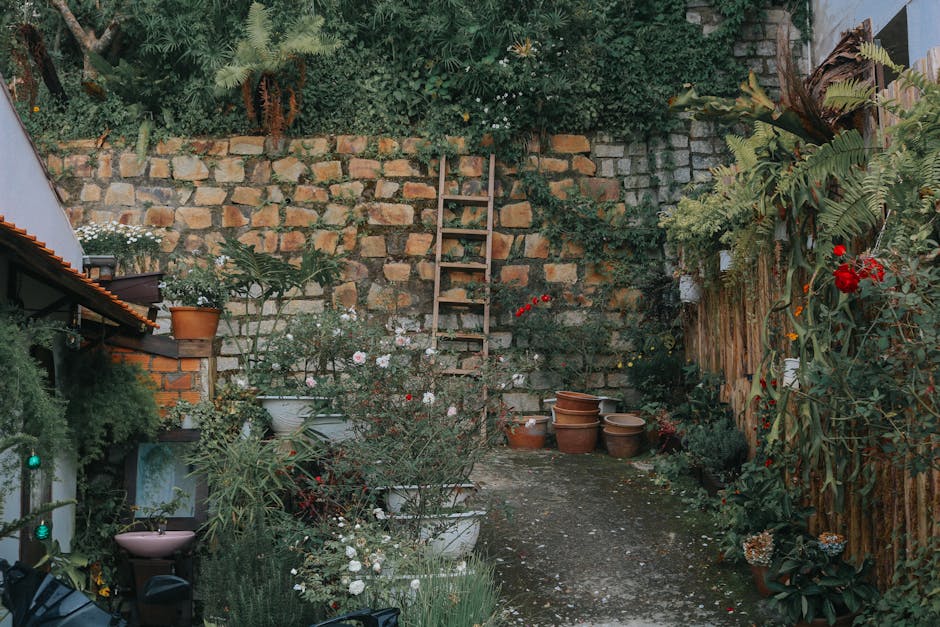
Gardeners Tufnell Park Road Guide for Terraced Gardens
Terraced gardens can be brilliant, but they can also be a bit awkward. Narrow plots, patchy shade, overlooked drainage, next-door fences that lean at funny angles, and very little room to make a mistake. That is exactly why a Gardeners Tufnell Park Road guide for terraced gardens matters: it helps you shape a space that looks good, works hard, and does not become a maintenance headache by July.
In Tufnell Park, many gardens have the same familiar shape and the same familiar problems. The good news? Those constraints are also an opportunity. With the right planting structure, sensible materials, and a plan for keeping things tidy through the seasons, even a small terraced garden can feel calm, layered, and genuinely usable. Let's walk through the practical side of it.
Why Gardeners Tufnell Park Road guide for terraced gardens Matters
Terraced gardens are often smaller than people hope and more exposed than they expect. A layout that works in a broad suburban plot can feel clumsy in a narrow London garden. That is why a tailored approach is so useful. It is not just about making things prettier; it is about making the whole space function properly.
In a terraced setting, every metre matters. You notice this quickly when a path is too wide, a bed is too deep, or a shrub grows too enthusiastically and steals half the light. A good plan balances circulation, planting, privacy, and upkeep. It also helps you avoid the all-too-common cycle of "replant, regret, repeat". To be fair, most gardens have been there at some point.
For local homeowners, renters, and landlords in and around Tufnell Park Road, the right design choices can also make day-to-day life easier. A tidy, well-structured outdoor space tends to feel more usable for morning coffee, children's play, pets, quiet evenings, or weekend entertaining. If you are starting from scratch, the early stages of a garden makeover are often easier when you read a practical guide like first steps for a garden makeover.
How Gardeners Tufnell Park Road guide for terraced gardens Works
The basic idea is simple: assess the site first, then design around its limitations rather than fighting them. In a terraced garden, that usually means working with width, height, shade, boundaries, and access. The best results usually come from a layered approach rather than a flat, one-size-fits-all layout.
Think of the garden in zones. You might have a small hardstanding area by the house, a central planting section, and a rear pocket of shade for ferns, climbers, or a seat that catches the evening light. When gardens are arranged in clear zones, they feel larger. Oddly enough, structure creates freedom. A bit funny, but true.
How the work unfolds depends on the condition of the space. A neglected plot may need weed control, boundary repair, soil improvement, and pruning before any planting begins. In other cases, the bones are fine and the main task is to refresh surfaces, improve planting, and introduce storage or seating. If lawns are part of the plan, it helps to avoid unnecessary wear by following sensible mowing practices; the article on avoiding damage during lawn maintenance is a useful companion read.
A terraced garden plan should also account for seasonal change. Winter damp, summer heat pockets, and windy corridors between houses all affect what survives and what thrives. That is why good gardeners do not just choose plants that look nice in a pot at the nursery; they choose plants that will still look decent six months later after a wet spell, a cold snap, and a week of neglect.
Key Benefits and Practical Advantages
The benefits of a thoughtful terraced-garden strategy are both aesthetic and practical. The obvious one is improved appearance. Less obvious, but maybe more important, is how much easier the garden becomes to live with.
- Better use of space: Narrow plots can still hold seating, planting, and access without feeling cramped.
- More privacy: Carefully placed hedging, climbers, and screens reduce overlooking from neighbouring homes.
- Lower maintenance: Smart planting reduces the need for constant cutting, re-edging, and reworking.
- Improved drainage and soil health: Terraced gardens often need soil improvement to stop waterlogging or compaction.
- Year-round interest: Evergreens, climbers, and textured planting keep the garden from looking bare in winter.
- More usable outdoor time: A well-placed seat, path, or deck makes the garden feel like an actual extension of the house.
There is also a subtle but real emotional benefit. A good garden makes coming home feel a little softer. You step outside, hear the birds, smell damp soil after rain, and the day seems to loosen its grip. Simple things, but they matter.
If privacy is high on your list, especially on terraced streets where windows line up neatly with one another, it can help to explore the right screening strategy. The guide on fast-growing hedges for quick privacy gives a helpful overview of planting choices that can work well in compact gardens.
Who This Is For and When It Makes Sense
This guide is for anyone dealing with a long, narrow, shaded, overlooked, or slightly tired terraced garden. That includes first-time homeowners, families trying to make outdoor space safer and more practical, landlords who want the rear garden to present well, and busy professionals who would rather enjoy the garden than spend every weekend wrestling with it.
It also makes sense if your garden has become a bit of a storage yard. You know the sort: old planters, broken slabs, a lawn that is more moss than grass, and one mystery shrub that seems to have come from nowhere. That is not uncommon in older London terraces. The good news is that the fix does not need to be dramatic. Often, a few good decisions shift the whole feel of the place.
If you like low-fuss gardening, this approach is particularly suitable. Raised planters, container displays, vertical planting, and evergreen structure can all reduce the amount of ground-level upkeep. For people with pets or children, it also gives you more control over safe surfaces and open play areas. There is no single perfect solution, but there is usually a much better one than the current setup.
Step-by-Step Guidance
Here is a practical route through a terraced-garden project. It is not the only way, but it is a sensible one, and it keeps you from skipping the boring-but-important bits.
1. Measure the space and study the light
Start with the basics. Measure the width and length, note where the sun falls, and observe what stays damp or cold after rain. Shade in terraced gardens can come from fences, walls, neighbouring buildings, and even large trees nearby. A spot that looks bright for ten minutes in the morning may be gloomy for the rest of the day.
2. Decide how you want to use it
Ask yourself whether the garden needs to host seating, storage, play space, planting, or all four. If the answer is "all four", that is fine, but be realistic about proportions. In compact gardens, one strong function usually needs to lead, while the others support it.
3. Clear and simplify before adding
Remove clutter, old pots, dead growth, and anything that blocks circulation. A clean base helps you see the real shape of the garden. If ivy has taken over a boundary, or self-seeded growth is causing problems, it may be worth looking at how to approach ivy removal safely and successfully.
4. Improve the soil
Soil in terraced gardens can be compacted, tired, or full of rubble. Before planting, loosen it, enrich it, and correct drainage issues where possible. Compost and organic matter help a great deal, especially if the ground has been neglected for years. The principle behind turning everyday waste into nutrient-packed soil is especially relevant here.
5. Map out structure
Use paths, borders, edging, trellis, planters, or a small deck to create shape. Structure is what stops a tiny garden from feeling like a random collection of plants. It also helps guide movement, which matters more than people think.
6. Choose planting that suits the conditions
Do not force sun-lovers into shade or thirsty plants into dry corners. Instead, build a planting palette around the site. In shady terraced spaces, evergreen climbers, ground cover, and shade-tolerant textures are often more reliable than flower-heavy displays that need constant sun to perform.
7. Add privacy and softness
Boundaries in terraced gardens can feel hard and urban. Climbers, hedging, and layered planting soften them. If you want a greener barrier, the article on shade-loving evergreen climbers is worth a look.
8. Plan for maintenance from day one
Maintenance should be built into the design. If you need a ladder every fortnight just to keep the garden under control, the design is probably too demanding. Choose access-friendly plants, manageable shapes, and surfaces that are easy to keep clean.
Expert Tips for Better Results
Small decisions create the biggest difference in terraced gardens. Honestly, that is where the best work usually happens.
- Use height carefully: Vertical planting, wall-trained climbers, and slim screening help without eating up the floor area.
- Repeat materials: A repeated paving tone or planter finish makes the garden feel calmer and more intentional.
- Choose 2 or 3 dominant plants: Too many plant types in a small space can feel busy and messy, even if every plant is lovely on its own.
- Mix evergreen with seasonal colour: Evergreens hold the shape; seasonal planting adds life. You need both.
- Leave breathing space: A little empty space makes a tiny garden feel cleaner and bigger. People often overfill the place. Very easy to do.
- Think about sightlines from inside the house: The view from the kitchen or back door matters as much as the view from the garden itself.
Another useful trick is to make one feature do more than one job. A raised planter can hold herbs, define a boundary, and hide an awkward wall all at once. Seating can tuck into a corner while also shaping the route through the garden. Smart, not flashy.
If you are using containers, remember that they are not just decorative. They can solve awkward drainage, poor soil, and mobility issues too. For deeper planning ideas, a guide to container gardening is a good match for compact terraces.
Common Mistakes to Avoid
Terraced gardens often go wrong in predictable ways. The issue is rarely lack of enthusiasm. More often it is overconfidence on a small site where every mistake gets magnified.
- Planting too large for the space: A shrub that looks innocent in spring may swallow the garden by next year.
- Ignoring shade and damp: Many gardens in London have stubborn dark corners. Treat them as their own microclimate.
- Using too much hard landscaping: Too much paving can make a small garden feel hotter, narrower, and less inviting.
- Forgetting maintenance access: If you cannot reach a bed properly, weeds will notice. They always do.
- Skipping soil improvement: Lovely planting choices will struggle if the ground is tired or compacted.
- Letting ivy and aggressive climbers run unchecked: Boundaries can become a repair problem if climbing plants are left to do whatever they like.
- Designing only for summer: A terraced garden needs winter structure too, otherwise it looks stripped bare for months.
A lot of frustration comes from not matching the plant to the place. One chair, one patch of morning light, one sheltered wall, and the whole planting plan can need to change. That is normal. Better to adjust early than to keep nursing a bad fit.
Tools, Resources and Recommendations
You do not need a van full of specialist equipment to manage a terraced garden well. But a few good tools do make life easier. A basic kit should include hand shears, secateurs, a border fork, a spade, a trowel, a watering can or hose attachment, and decent gloves. If you are trimming hedges or managing boundary growth, the page on hedge trimming in Tufnell Park is a useful service reference.
It also helps to have a plan for maintenance by season. Spring is for clearing, feeding, and shaping. Summer is for watering, deadheading, and keeping growth under control. Autumn is often the best time for soil improvement and planting. Winter is where structure matters most, and where you assess what held up well and what turned into a bit of a nuisance.
When budgets are tight, do not try to do everything at once. Focus first on the worst pain points: access, privacy, drainage, or boundary repair. The article on budget-conscious garden design offers a sensible mindset for phased improvements rather than expensive overhauls.
For anyone unsure where to begin, these related guides can be genuinely helpful:
- vertical gardening ideas for small spaces
- ground cover plants that work well in the UK
- ways to tackle unwanted weeds
That mix of tools, plant knowledge, and regular attention is usually enough to keep a terraced garden looking composed without turning it into a second job.
Law, Compliance, Standards, or Best Practice
For most terraced-garden projects, the key point is not complex regulation; it is good practice. Still, a few practical and safety-minded considerations matter.
If you are sharing boundaries with neighbours, be careful about roots, overhanging branches, and anything attached to a dividing fence or wall. It is always sensible to discuss major changes before work begins, especially if access is tight or the boundary is old. For tree work, stump removal, or heavy pruning, professional judgement is often worth having. That is especially true when branches are near structures or services.
Good contractors should also work with clear safety habits, sensible waste handling, and appropriate insurance. That does not sound exciting, I know, but it matters. A tidy quote is one thing; working safely in a cramped rear garden with limited access is another. If you want more background on that side of things, the pages on insurance and safety, health and safety policy, and terms and conditions are useful trust signals to review.
For service arrangements, transparency around payment and scope also helps prevent misunderstandings. A clear quote, agreed schedule, and realistic maintenance plan are simply best practice. If you are comparing support levels, the page on pricing and quotes can help set expectations.
Options, Methods, or Comparison Table
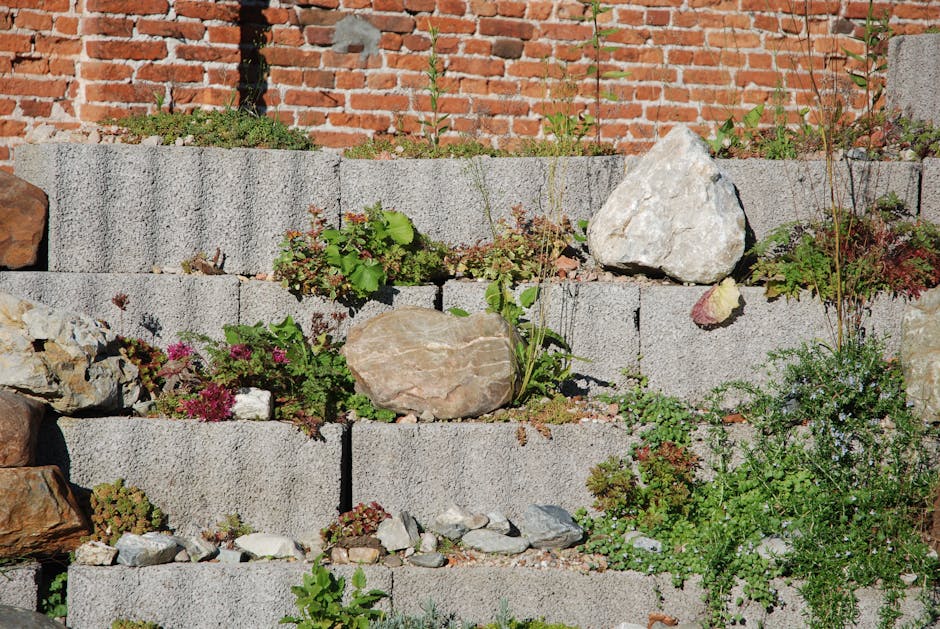
Terraced gardens usually respond best to one of three broad approaches: a low-maintenance planting-led design, a mixed hardscape-and-planting layout, or a stronger structural redesign. The right choice depends on time, budget, and how much you want to change.
| Approach | Best for | Pros | Trade-offs |
|---|---|---|---|
| Planting-led refresh | Gardens with decent bones but tired borders | Lower cost, softer look, flexible changes | Needs ongoing upkeep if not planned well |
| Mixed layout | Gardens needing seating, privacy, and structure | Balanced, practical, good everyday use | Can become cluttered if overdesigned |
| Full redesign | Severely awkward, damaged, or heavily neglected spaces | Solves root problems, drainage, and layout issues together | Higher cost and more disruption |
In many Tufnell Park terraces, the mixed layout is the sweet spot. It allows for a small patio or deck, layered planting, and a bit of screening without overcommitting. If you are considering new surfaces, the guide to creating garden retreats with seating gives useful inspiration for making that central space feel inviting rather than tacked on.
Case Study or Real-World Example
Imagine a classic terraced garden behind a Victorian house: narrow, overlooked, mostly paving at the front, and a tired lawn patch at the back with two overgrown climbers on the fence. It is a familiar scene. The owner wants somewhere to sit in the evening, a little privacy, and less weekly maintenance.
The first move is clearing. The lawn is patched and uneven, so rather than trying to keep rescuing it, the design shifts toward a smaller lawn section and more robust planting around the edges. The soil is improved, the rear boundary is softened with evergreen planting, and a compact seat is placed where the evening light lands. A couple of containers add height near the house, while a climber is trained up a trellis to reduce the hard fence line.
Nothing dramatic happens in a single afternoon. That is the point. The garden becomes calmer, easier to water, and much more usable. The owner no longer sees a maintenance problem every time they look out of the kitchen. Instead, they see a place they might actually use with a cup of tea before dinner. Small win? Yes. But a meaningful one.
If the wider property needs support, related services such as garden maintenance in Tufnell Park, lawn care, and landscaping can help turn a rough plan into something coherent.
Practical Checklist
Use this checklist before you start work on a terraced garden. It keeps the project grounded.
- Measure the garden accurately, including awkward corners and access points.
- Record where sun, shade, and damp spots appear during the day.
- Decide the main use: seating, planting, family space, pets, or privacy.
- Clear clutter, dead growth, and self-seeded plants.
- Check fence lines, walls, and edging for damage or instability.
- Improve the soil before planting anything expensive.
- Choose a limited plant palette suited to shade, wind, or sun as needed.
- Add structure with trellis, planters, borders, or a compact deck.
- Plan watering and access so routine care stays manageable.
- Build in evergreen elements so the garden still looks good in winter.
- Consider whether professional help would save time or prevent mistakes.
And one small but valuable note: keep a little space unfilled. Not every corner needs a feature. Breathing room can make a compact garden feel elegant, which is a nice thing to aim for.
Conclusion
A terraced garden in Tufnell Park does not need to be large to be lovely. It needs to be planned with care. Once you understand the light, the boundaries, the soil, and the way you actually live, the garden starts to make sense. That is usually the turning point.
The best results come from modest, well-chosen changes: better structure, better planting, and a layout that respects the space rather than cramming it full. Whether your goal is privacy, easier maintenance, a better place to sit, or all three, the right approach can completely change how the garden feels.
If you are thinking about a refresh, start with one clear priority and build from there. That first decision is often the hardest. After that, it gets easier. A lot easier, in fact.
Get a free quote today and see how much you can save.
Sometimes the smallest garden, once properly thought through, becomes the one you enjoy most.

Kristine, a skilled gardener, boasts extensive experience offering diverse landscaping and gardening services over many years. Additionally, she is a proficient writer focusing on Eco-friendly gardening.